
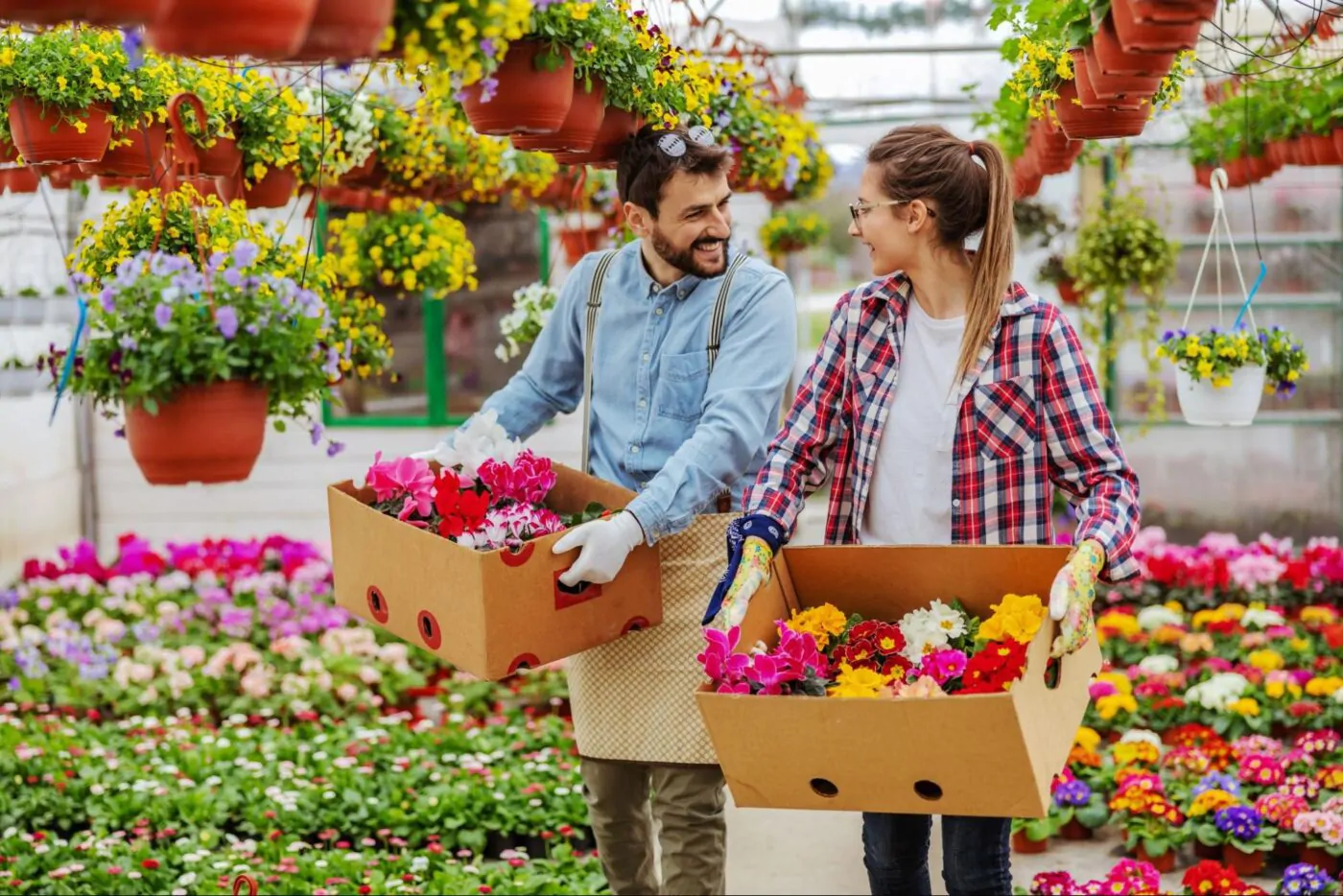
Miami is the leading hub for wholesale flowers Miami, thanks to its direct connections to international growers and its role as the gateway for over 85% of imported flowers. Businesses looking to buy wholesale flowers in Miami year-round should focus on building strong supplier relationships, planning around seasonal cycles, diversifying sourcing channels, and understanding cost drivers like holidays and logistics. By leveraging bulk flower suppliers in Miami, companies such as florists, event planners, hotels, and retailers can ensure fresh, cost-effective blooms every season.
Why Miami Is the Hub for Wholesale Flowers
Miami isn’t just another floral marketplace; it’s the epicenter of the U.S. flower trade. Here’s why:
- International Gateway
Miami International Airport handles the vast majority of imported flowers arriving from South America, Europe, and the Caribbean. With daily flights from Colombia and Ecuador, the world’s largest rose exporters, wholesale flowers Miami are replenished with fresh stock multiple times a week.
- Climate Advantage
The tropical climate makes Miami not only an important hub but also a growing region for certain tropical varieties, including heliconia, ginger, and anthuriums. This creates a hybrid ecosystem of imported and locally grown blooms.
- High Competition = Better Pricing
The sheer number of bulk flower suppliers in Miami means buyers benefit from competitive prices. Florists, event planners, and retailers can shop around for deals, compare prices, and negotiate volume-based discounts.
- Distribution Powerhouse
Miami’s central location and logistics infrastructure make it possible for flowers to move quickly nationwide. This is why Miami is not just a source for local buyers but also a critical hub for businesses in other U.S. cities.
Understanding the Wholesale Flowers Market in Miami
To make the best year-round buying decisions, businesses need to understand the forces at play.
Key Market Players
- Importers & Distributors – Bring in flowers directly from growers abroad.
- Cash-and-Carry Wholesalers – Allow businesses (and sometimes the public) to walk in and buy smaller quantities.
- Bulk Flower Suppliers Miami – Specialized vendors catering to supermarkets, wedding planners, hotels, and floral designers.
- Local Farms – Provide tropicals, greenery, and seasonal products that supplement imports.
Seasonal Influences on Supply & Demand
Miami’s wholesalers operate in sync with global floral calendars:
- February: Valentine’s Day – Roses dominate; prices spike.
- May: Mother’s Day – Carnations, lilies, hydrangeas, and mixed bouquets are in peak demand.
- June: Graduation & Prom – Florals for corsages and centerpieces.
- September–November: Fall Weddings & Thanksgiving – Sunflowers, greenery, and autumn palettes.
- December: Holiday Season – Poinsettias, evergreen garlands, and festive floral accents.
Price Drivers You Must Know
- Stem Length & Quality – A 60 cm rose commands more than a 40 cm stem.
- Origin – Ecuadorian roses vs Colombian roses vary in size, vase life, and cost.
- Logistics – Freight surcharges during high-demand holidays increase per-stem cost.
- Grade & Variety – Premium varieties (garden roses, orchids) hold stable high prices year-round.
Strategies for Cost-Effective Bulk Flower Sourcing in Miami All Year
1. Build Long-Term Supplier Relationships
- Why It Matters: Consistent buyers of wholesale flowers Miami get priority allocation during shortages and better pricing.
- How to Do It:
- Negotiate standing orders (e.g., weekly roses for a supermarket program).
- Consolidate orders to increase volume and unlock discounts.
- Request advance notice of “hot lists” overstock flowers sold at a discount.
- Negotiate standing orders (e.g., weekly roses for a supermarket program).
Example: An event planner who works with one Miami supplier consistently may secure guaranteed wedding-season hydrangeas at locked pricing, while a one-time buyer pays market spikes.
2. Master the Seasonal Calendar
Planning is the single most effective cost-saving strategy.
- Order Early for Peak Holidays: Secure space before Valentine’s or Mother’s Day price jumps.
- Use Substitutions:
- Out-of-season peonies? Swap for ranunculus or garden roses.
- No sunflowers available? Opt for gerberas in similar tones.
- Out-of-season peonies? Swap for ranunculus or garden roses.
- Track Import Cycles: Colombian roses may be more abundant in summer, while Dutch tulips peak in spring.
Pro Tip: Create a Miami floral availability calendar that includes substitutions and expected price shifts. Share it with clients so they understand design flexibility.
3. Diversify Your Sourcing
Don’t rely on one channel. Miami offers a multi-pronged sourcing strategy:
- Direct Imports – Order entire boxes directly from growers abroad (via Miami).
- Local Wholesalers – Buy mixed boxes or smaller quantities.
- Dutch Auctions & Global Markets – For rare or premium varieties.
- Florida Growers – For tropicals and greenery that thrive locally.
Example: A hotel may import roses directly for weekly lobby arrangements while topping up with tropicals from a Miami wholesaler for themed events.
4. Leverage Cold Chain & Storage
Flower freshness = profit. Here’s how to maintain it:
- Check Cold Chain Integrity: Ask suppliers how flowers are handled from the airport to the cooler.
- Invest in a Floral Cooler: Extends stem life by 2–5 days.
- Hydration & Treatment: Use floral food solutions and hydration buckets for bulk stems.
- Rotate Inventory: Prioritize older stock for daily arrangements, keep fresher boxes for events.
5. Optimize Ordering & Logistics
- Best Days to Order: Early in the week ensures peak selection and avoids weekend shortages.
- Delivery vs Pickup: Miami’s dense wholesale district makes pickup viable; couriers can deliver within hours.
- Volume Discounts: Always compare per-bunch vs per-box pricing; per-box nearly always wins.
- Consolidate Orders: Save on freight by combining needs across locations or events.
Popular Flower Categories in Miami’s Wholesale Market
| Category | Examples | Seasonal Trends | Buying Tips |
| Roses | Red, White, Pink, Garden | Strongest Feb & May | Buy by stem length (50 cm vs 60 cm) |
| Hydrangeas | White, Blue, Green | Spring & Summer | Order 2–3 weeks in advance |
| Tropical Flowers | Heliconia, Ginger, Anthurium | Year-round Miami imports | Great for hotels & events |
| Orchids | Cymbidium, Dendrobium, Phalaenopsis | Year-round | Premium; handle with care |
| Greenery | Italian Ruscus, Eucalyptus, Ferns | Stable supply | Often cheaper in bulk boxes |
How Different Miami Businesses Benefit from Wholesale Buying
Event Planners & Wedding Designers
- Need variety + volume for centerpieces, arches, and bridal bouquets.
- Rely on wholesalers for consistent availability during wedding season.
- Cost-savings via bulk box purchases for large events.
Florists & Flower Shops
- Daily replenishment is possible due to Miami’s constant imports.
- Just-in-time buying reduces waste and shrinkage.
- Access to a wide palette for walk-in customer requests.
Hotels & Restaurants
- Weekly standing orders guarantee fresh lobby décor and table arrangements.
- Tropical imports add exotic touches.
- Consistency is crucial for brand presentation.
Supermarkets & Retail Chains
- Miami suppliers offer private-label bouquet programs.
- Large volume = steep discounts.
- Predictable weekly orders ensure floral sections stay stocked.
Practical Buying Tips for Cost Savings
- Buy by the Box: Per-box pricing is always more cost-effective than per-stem purchases.
- Ask About Bunch Sizes: Roses = 25 stems, hydrangeas = 10 stems. Know the standard.
- Grades Matter: A 60 cm rose stem looks fuller and lasts longer than a 40 cm stem, but costs more.
- Leverage Substitutions: Offer alternatives to clients when premium flowers are out of season.
- Watch for Overstock Deals: Many Miami wholesalers send “weekly hot lists” with discounts.
Advanced Strategies: Miami as a Floral Advantage
- Standing Orders = Stability
Businesses can negotiate contracts for fixed weekly deliveries, shielding themselves from seasonal price spikes.
- Cross-Sourcing
Use Miami as the hub for imports while adding direct farm relationships abroad. This hybrid model reduces dependency.
- Technology Use
- Set up inventory management tools.
- Track costs by stem and by event.
- Subscribe to import trend reports to forecast availability.
- Set up inventory management tools.
FAQs on Wholesale Flowers in Miami
Q: Are Miami wholesale flowers available to the public?
A: Yes, some wholesalers have cash-and-carry programs where DIY brides, event organizers, or small businesses can purchase directly.
Q: What’s the best way to secure affordable pricing?
A: Plan early, order by the box, and maintain consistent supplier relationships.
Q: Can I buy flowers all year round in Miami?
A: Yes. Thanks to international imports and local farms, flowers like roses, carnations, hydrangeas, orchids, and tropicals are available year-round.
Q: What are the minimum order requirements?
A: Some suppliers require full boxes, while others allow mixed cases. Always check supplier policies.
Q: How do suppliers ensure freshness?
A: Through cold chain logistics, refrigeration at every stage, and rapid distribution from Miami International Airport to coolers.
Conclusion
Miami is more than just a city; it’s the heartbeat of the U.S. flower industry. With daily imports, competitive pricing, and unmatched variety, wholesale flowers Miami offer businesses a year-round advantage. By planning, diversifying sources, building supplier relationships, and understanding the floral calendar, businesses in Miami (and beyond) can secure consistent, cost-effective flowers for every occasion.
For event planners, florists, hotels, and retailers alike, Miami wholesale flowers represent both opportunity and stability in a business where freshness is everything.